
Thinking about remodeling your bathroom? You might wonder where to start or what really matters to make your renovation a success.
Whether you want a fresh, modern look or a complete overhaul, knowing the essential elements can save you time, money, and stress. In this guide, you’ll discover the key components that every bathroom remodel should include—helping you create a space that’s not only beautiful but also functional and lasting.
Keep reading to find out how to turn your bathroom into the relaxing retreat you deserve.
Planning And Budgeting
Planning and budgeting are the first and most important steps in a bathroom remodel. Careful preparation helps avoid surprises and keeps the project on track. A clear plan ensures you spend money wisely and achieve the desired look and function.
Setting A Realistic Budget
Start by determining how much you can spend. Consider all costs, including materials and labor. Leave extra money for unexpected expenses. A realistic budget prevents overspending and stress later.
Prioritizing Features
List what matters most in your remodel. Focus on essentials like plumbing and storage before luxury items. Prioritizing helps use your budget efficiently. It also ensures the remodel improves daily use and comfort.
Getting Multiple Quotes
Ask several contractors for detailed cost estimates. Compare prices and services carefully. Multiple quotes give a better idea of fair market prices. This step helps find the best value and avoid overpaying.
Design And Layout
The design and layout form the backbone of any bathroom remodel. A well-thought-out plan improves both function and style. It ensures space is used efficiently and suits daily routines. Careful decisions here affect comfort and long-term satisfaction.
Finalizing The Floor Plan
Start by mapping the bathroom’s space. Think about the placement of key elements like the toilet, sink, and shower. Keep traffic flow smooth and avoid cramped corners. Make sure there is enough room for doors and cabinets to open fully. Adjust the plan to fit your needs and the room’s shape.
Choosing Fixtures And Materials
Select fixtures that match your style and budget. Consider durability and ease of cleaning. Pick materials that resist moisture and wear, such as ceramic tiles or waterproof laminates. Coordinate colors and finishes for a balanced look. Fixtures and materials set the tone and mood of the bathroom.
Considering Lighting And Ventilation
Good lighting brightens the space and enhances safety. Use layers of light, including overhead, task, and accent lighting. Natural light is a bonus if windows are available. Proper ventilation prevents mold and keeps air fresh. Install exhaust fans or vents to control humidity effectively.
Permits And Regulations
Permits and regulations play a key role in any bathroom remodel. They ensure the work meets safety and quality standards. Ignoring them can lead to costly fines or having to redo the work. Understanding what permits you need and which codes apply is essential before starting.
Obtaining Necessary Permits
Before starting a bathroom remodel, check with your local building department. They will tell you which permits are required. Most projects involving plumbing, electrical, or structural changes need permits. Applying for permits usually requires submitting plans and paying fees. Do not skip this step, as it can delay your project or cause legal issues.
Permit approval means the project meets local rules. Inspectors may visit during and after the work. This ensures the remodel is done correctly and safely.
Building Codes To Follow
Building codes set minimum standards for construction and safety. They cover plumbing, electrical wiring, ventilation, and structural work. For example, bathrooms must have proper ventilation to prevent mold. Electrical outlets need to be GFCI protected to avoid shocks. Plumbing must use approved materials and methods to prevent leaks and damage.
Following codes protects your home and family. It also helps when selling the house, as inspections will verify the work complies with local laws.

Credit: sparkinteriorscolorado.com
Demolition And Preparation
Demolition and preparation form the foundation of every successful bathroom remodel. This phase clears out old materials and creates a safe workspace. Proper execution here saves time and avoids costly mistakes later.
Start by handling utilities carefully. Then remove fixtures and surfaces with attention to detail. These steps ensure a smooth transition to the new design.
Shutting Off Utilities
Turn off water supply lines to prevent leaks and flooding. Shut off electricity to avoid shocks or damage to wiring. Check that power and water are fully disconnected before starting work. Use labels or tape to mark shut-off valves and switches. This step protects you and your home during demolition.
Removing Old Fixtures And Surfaces
Begin by detaching sinks, toilets, and bathtubs carefully. Remove tiles, drywall, and flooring with tools suited for each material. Dispose of debris responsibly to keep the area clean and safe. Watch for hidden damage like mold or water stains behind surfaces. Clearing everything out prepares the space for fresh installations and updates.
Plumbing And Electrical Rough-in
Plumbing and electrical rough-in is a key step in any bathroom remodel. It sets the foundation for functional water flow and safe power supply. These systems must be planned carefully to fit the new design and meet building codes.
Proper rough-in work allows smooth installation of fixtures like sinks, showers, and lights later. It also helps avoid costly repairs or changes after walls close up. Focus on quality materials and skilled labor here.
Installing New Pipes And Drains
New pipes and drains improve water flow and prevent leaks. Use durable materials like copper or PEX for water supply lines. Proper slope and size of drain pipes ensure fast drainage and avoid clogs.
Mark locations for toilets, sinks, and showers before running pipes. Test all connections for leaks before closing walls. Efficient plumbing reduces water waste and future problems.
Upgrading Wiring And Outlets
Modern bathrooms need updated wiring to support lighting, fans, and outlets. Use GFCI outlets to protect against electric shock in wet areas. Plan circuits to handle new fixtures and any heated floors.
Install wiring inside walls with proper insulation and protection. Label circuits clearly on the breaker panel for easy maintenance. Good electrical rough-in keeps the bathroom safe and functional.
Structural And Surface Work
The foundation of any successful bathroom remodel lies in solid structural and surface work. This stage prepares the space for all other upgrades. Proper installation and finishing create a smooth, durable base. It ensures walls and surfaces withstand moisture and daily use. Neglecting these steps can lead to costly repairs later.
Structural work involves installing materials that support tile and fixtures. Surface work focuses on wall preparation for paint or tile. Both steps require attention to detail to achieve a polished look.
Installing Backer Board And Drywall
Backer board is a waterproof layer placed behind tile areas. It prevents water damage and mold growth. Install it on shower walls and around tubs for protection. Use cement board or fiber cement panels for best results.
Drywall covers other bathroom walls and ceilings. Choose moisture-resistant drywall in damp areas. Secure drywall with screws and seal joints with tape and compound. This creates a smooth, stable surface for finishing.
Priming And Painting Walls
Priming walls seals the surface and improves paint adhesion. Use a primer designed for bathrooms to resist moisture. Apply an even coat and let it dry completely.
Choose paint with a satin or semi-gloss finish. These finishes stand up to humidity and are easy to clean. Apply at least two coats for full coverage. Proper painting enhances durability and appearance.
Flooring And Tiling
Flooring and tiling play a major role in bathroom remodels. They affect the look, feel, and durability of the space. Choosing the right materials and proper installation ensures lasting beauty and function. This section covers key points to consider for flooring and tiling in your remodel.
Choosing Flooring Materials
Select flooring that handles moisture well. Porcelain and ceramic tiles are popular for bathrooms. They resist water and are easy to clean. Vinyl flooring offers a budget-friendly and waterproof option. Natural stone adds elegance but needs sealing to prevent stains. Consider slip resistance for safety, especially in wet areas.
Think about comfort too. Warm floors can be achieved with radiant heating systems under tile. Color and pattern affect the room’s style. Light colors make small bathrooms feel bigger. Dark tones add a modern touch. Balance style with durability to get the best results.
Laying Tile And Grout
Proper tile installation prevents water damage and extends floor life. Start with a clean, level surface for best results. Use a waterproof membrane under tiles in wet areas. Choose grout that resists mold and stains. Epoxy grout offers strong protection but needs professional application.
Leave even grout lines to allow for expansion and contraction. Seal grout after drying to keep it waterproof. Regular cleaning prevents mildew buildup. Hiring a skilled installer helps avoid common issues like uneven tiles or gaps. Well-laid tile and grout make a bathroom safer and more attractive.
Fixture Installation
Fixture installation is a key step in any bathroom remodel. It shapes the room’s look and function. Proper installation ensures long-lasting use and prevents costly repairs. Focus on accuracy and quality during this phase. Each fixture must fit perfectly and work smoothly. This section covers the main fixture installations in detail.
Installing Tub, Shower, And Vanity
Start with the tub or shower. Make sure plumbing aligns with the fixture’s design. Secure the tub to the wall frame firmly. For showers, install the base or pan first. Then add wall panels or tiles. Check water flow and drainage before closing walls.
The vanity combines storage and sink. Position it where plumbing is accessible. Attach it to the wall to avoid movement. Connect the sink drain and water supply tightly. Seal edges to prevent water damage.
Placing Toilet And Accessories
Install the toilet on a solid flange. Use a new wax ring for a good seal. Tighten bolts just enough to avoid cracks. Connect the water supply line carefully. Test for leaks after flushing several times.
Accessories like towel bars, toilet paper holders, and mirrors add convenience. Mount them at comfortable heights. Use proper anchors for drywall or tile walls. These small details improve bathroom usability and style.
Final Touches
The final touches complete your bathroom remodel. They bring style and function together. Small details make a big difference in the overall look. These finishing steps ensure your bathroom feels polished and welcoming.
Adding Trim And Hardware
Trim gives your bathroom a clean, finished edge. It covers gaps between walls and floors or around cabinets. Choose trim that matches your bathroom’s style for harmony. Hardware like knobs and handles adds both function and flair. Pick finishes that complement your fixtures and fittings. These details pull the room together and enhance the design.
Ensuring Functionality And Clean Finish
Check that all fixtures work smoothly and correctly. Test faucets, showerheads, and toilets for leaks or drips. Seal gaps with caulk to prevent water damage. Clean grout lines and surfaces for a fresh look. Proper finishing protects your remodel and keeps it looking new. A neat, functional bathroom feels comfortable and inviting.
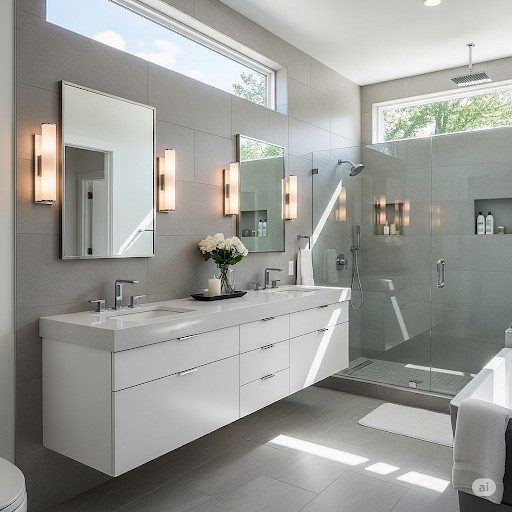
Credit: mazzconst.com

Credit: advancedesignstudio.com
Frequently Asked Questions
What Is The 30% Rule In Remodeling?
The 30% rule in remodeling limits renovation costs to 30% of your home’s value. It helps protect equity and ensures a good resale return.
What Is A Realistic Budget For A Bathroom Remodel?
A realistic bathroom remodel budget ranges from $5,000 for basic updates to $25,000+ for luxury renovations. Costs depend on materials, labor, and scope. Prioritize key features and get multiple contractor quotes to manage expenses effectively.
In What Order Should I Renovate A Bathroom?
Begin with detailed planning and design. Next, demolish old fixtures and surfaces. Install rough plumbing and electrical systems. Add tub or shower with backer board. Proceed with drywall, mudding, priming, and painting. Lay flooring and tiles. Finish by installing vanity, toilet, fixtures, trim, and accessories.
What To Avoid When Renovating A Bathroom?
Avoid poor planning and ignoring budget limits. Don’t skip waterproofing or proper ventilation. Avoid cheap materials and improper plumbing. Neglecting lighting and layout can reduce functionality. Avoid rushing the project to ensure quality results.
Conclusion
A bathroom remodel blends style, function, and comfort. Focus on key elements like layout, lighting, and quality fixtures. Choose durable materials that fit your budget. Proper planning saves time and avoids costly mistakes. Small changes can create a fresh, inviting space.
Think about storage and ventilation to improve daily use. A well-planned remodel adds value to your home. Take one step at a time for best results. Your new bathroom will feel both practical and beautiful.