
Is your bathroom feeling outdated, cramped, or just plain uncomfortable? Deciding whether it’s time for a renovation can be tricky, but it’s a choice that can greatly improve your daily comfort and even add value to your home.
You might wonder if a few cosmetic changes are enough or if a full remodel is necessary. You’ll discover clear signs to look for, practical questions to ask yourself, and smart tips to help you make the right decision. By the end, you’ll know exactly if your bathroom needs renovation—and how to approach it without stress or wasted money.
Keep reading to transform your bathroom into the space you deserve.
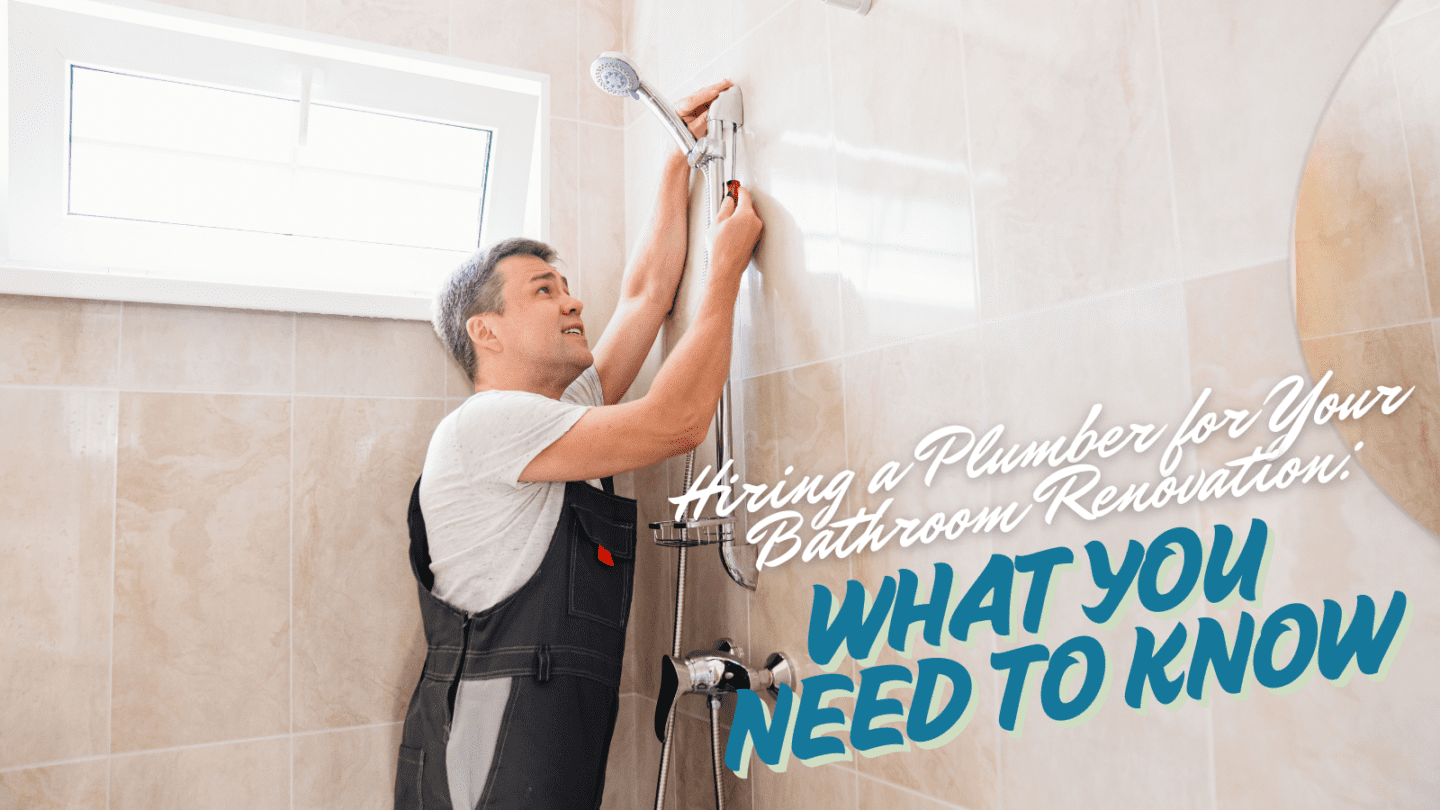
Credit: ourlittleescapades.com
Signs Your Bathroom Needs Updates
Bathrooms show their age quickly. Small problems can turn into big issues fast.
Spotting signs early helps avoid costly repairs later. It also improves comfort and style.
Visible Damage And Wear
Cracked tiles, peeling paint, and damaged grout signal trouble. These issues let water seep in.
Worn-out surfaces make the bathroom look old and uncared for. Fixing them boosts appeal and safety.
Outdated Fixtures And Design
Old faucets, toilets, and lighting waste water and energy. They also clash with modern styles.
Replacing dated fixtures improves efficiency and freshens the space. A modern look adds value to your home.
Persistent Mold And Moisture Issues
Black spots on walls or ceilings suggest mold growth. Moisture damage harms structure and health.
Bathrooms need proper ventilation and waterproofing. Fixing these stops mold and keeps the air fresh.
Poor Functionality And Layout
Small or awkward bathroom layouts limit comfort and use. Storage may be lacking or badly placed.
Updating the layout improves flow and usability. Smart designs create more space and convenience.

Evaluating Structural And Plumbing Conditions
Evaluating the structural and plumbing conditions is a key step in deciding if your bathroom needs renovation. These factors affect the safety, functionality, and longevity of your bathroom. Ignoring them can lead to costly repairs later. Careful inspection helps identify hidden problems early.
Structural issues often cause uneven floors or cracks in walls. Plumbing problems may result in leaks or water damage. Both require prompt attention to avoid worsening damage. Understanding these conditions guides you in planning the right renovation scope.
Checking For Water Leaks
Look for signs of water leaks around sinks, toilets, and showers. Soft spots on walls or ceilings may indicate hidden leaks. Water stains or mold growth are red flags. Listen for dripping sounds even when fixtures are off. Early leak detection prevents mold and structural damage.
Assessing Flooring And Subfloor Stability
Step carefully across the bathroom floor to detect weak or sagging areas. Floors should feel firm and level underfoot. Check for loose or damaged tiles and water-damaged wood. Damp subfloors can rot and cause serious issues. Fixing flooring problems is crucial before installing new finishes.
Inspecting Plumbing Lines And Fixtures
Examine visible plumbing pipes for corrosion, cracks, or rust. Test water pressure to ensure it flows evenly from all fixtures. Old or faulty fixtures may leak or waste water. Consider the age and condition of pipes to avoid future leaks. Upgrading plumbing improves efficiency and reduces risks.
Budgeting Your Renovation
Budgeting your bathroom renovation is a key step in the planning process. Knowing your limits helps avoid overspending and stress. A clear budget guides decisions on materials, labor, and design choices. It also prepares you for surprises during the renovation.
Setting A Realistic Budget
Start by researching average bathroom renovation costs in your area. Consider the size and condition of your bathroom. Decide what changes are essential versus nice to have. Include costs for materials, labor, permits, and design fees. Set a budget you can stick to without financial strain.
Where To Spend Vs Save
Invest more in durable, high-use items like faucets and tiles. These affect daily comfort and long-term value. Save on cosmetic details like paint or accessories. Choose budget-friendly brands for non-essential items. Balance quality and cost to get the best results within your budget.
Planning For Unexpected Costs
Always add 10-20% extra to your budget for surprises. Hidden water damage or outdated wiring may need fixing. These issues can increase costs quickly. Being prepared helps you handle problems without stopping the project. Keep some money aside to avoid stress and delays.
Diy Vs Professional Renovation
Deciding between a DIY bathroom renovation and hiring professionals is a key step. The choice affects your budget, timeline, and final results. Some tasks fit well with DIY efforts. Others require expert skills to avoid costly mistakes.
Understanding which parts you can manage and when to call a pro helps you plan better. It also ensures safety and quality. Let’s explore tasks fit for DIY, signs to hire experts, and the benefits of professional installation.
Tasks Suitable For Diy
Simple jobs like painting walls or changing cabinet handles work well for beginners. Installing new light fixtures or replacing faucets is also doable with basic tools. Small tile repairs or adding shelves can save money and add value.
These tasks require less experience but still improve your bathroom’s look. Follow tutorials carefully and take safety precautions. Avoid complex plumbing or electrical work unless you have training.
When To Hire Experts
Call professionals for plumbing changes, electrical wiring, or major tile installation. Structural repairs and waterproofing need expert attention to prevent damage. Large layout changes also require permits and skilled labor.
Experts ensure the work meets codes and lasts longer. They handle unexpected problems that arise during renovation. Hiring them reduces risks and stress on your project.
Benefits Of Professional Installation
Professional installation guarantees quality and durability. Experts use the right tools and materials for each task. They finish work faster and with cleaner results.
Proper installation avoids leaks, mold, and other costly issues. It also increases your home’s value. Professionals offer warranties, giving peace of mind after the project ends.
Planning Your Renovation Scope
Planning your renovation scope is the first step in deciding if your bathroom needs an upgrade. It helps you understand the size and cost of the project. Clear planning avoids surprises and wasted money. It guides you through choices about design, materials, and changes you want. Start by deciding if you want small updates or a full remodel. This choice shapes your entire plan.
Cosmetic Refresh Vs Major Remodel
A cosmetic refresh improves the look without changing structure. Painting walls, updating faucets, or adding new lighting counts here. It costs less and finishes faster. A major remodel changes layout, plumbing, or electrical systems. It may include new showers, floors, or cabinets. Remodels cost more but add more value. Choose based on budget, time, and your bathroom’s condition.
Layout Changes And Their Impact
Changing the layout can improve space and flow. Moving sinks, toilets, or showers might need plumbing work. This adds to cost and time. Layout changes can fix awkward spaces or add storage. They also affect how your bathroom feels and works daily. Think about how you use your bathroom before changing layout. Small tweaks may make a big difference without heavy work.
Choosing Materials And Fixtures
Pick materials that match your style and budget. Tiles, countertops, and cabinets come in many options. Durable materials last longer and save money on repairs. Fixtures like faucets and lights affect look and function. Choose water-saving fixtures for efficiency. Match finishes and colors for a clean, unified look. Good choices create a bathroom that feels fresh and comfortable.
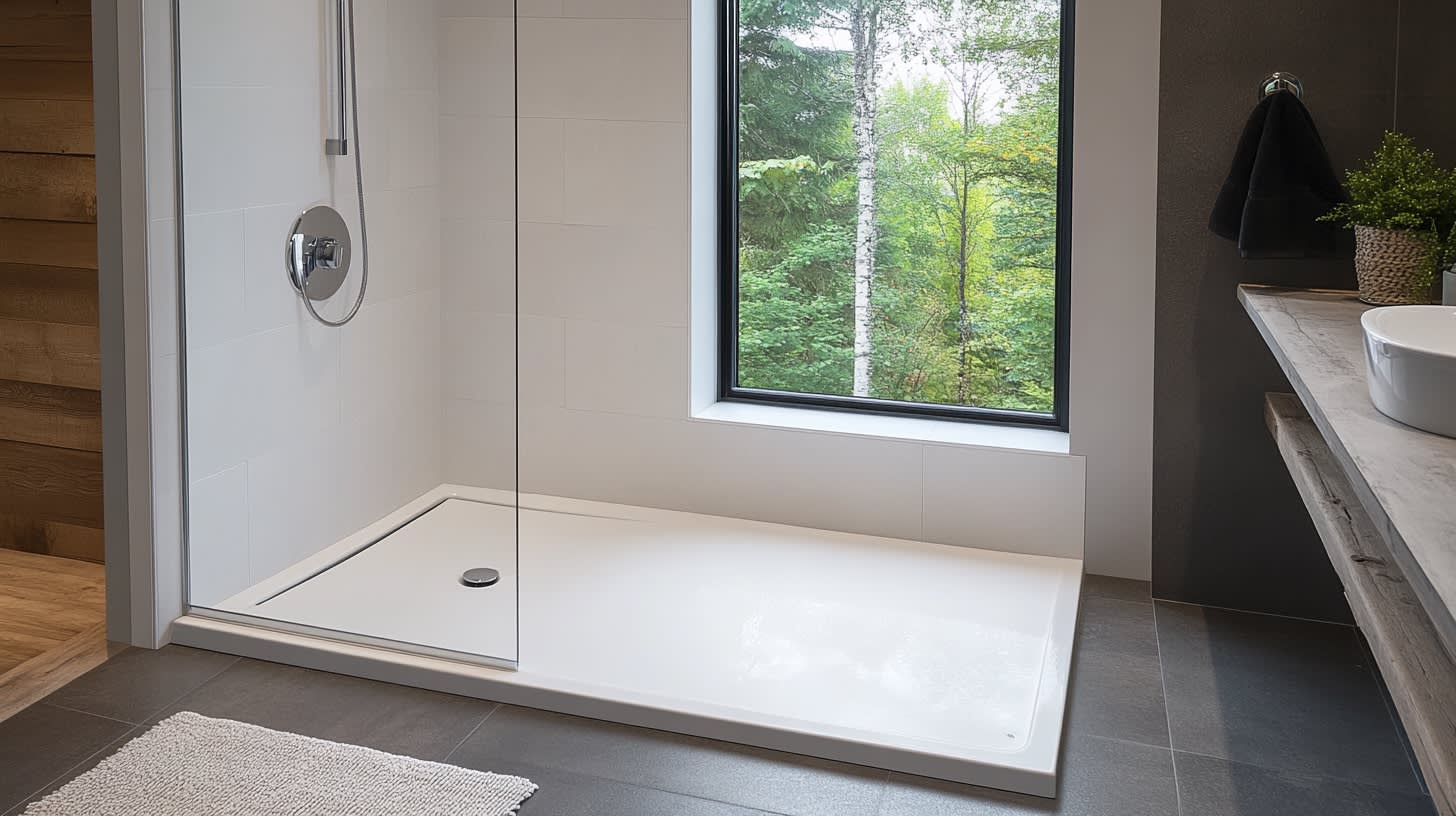
Credit: www.gvdrenovationsinc.com
Maximizing Renovation Value
Maximizing the value of a bathroom renovation means careful planning and smart spending. Every dollar should add to your home’s worth or improve your daily comfort. A well-planned renovation balances cost, quality, and style without overspending. This helps you avoid financial problems and ensures your investment pays off.
Avoiding Overcapitalization
Overcapitalization happens when you spend more on renovation than the home’s market value can support. This reduces the chance of recovering costs when selling. Choose upgrades that fit the neighborhood and house size. Focus on quality, not luxury. Simple, practical changes often bring the best value.
Ensuring Return On Investment
Return on investment (ROI) means how much value your renovation adds compared to its cost. Select improvements that buyers want, like updated fixtures or fresh tile. Avoid trendy designs that may not last. A modern, clean bathroom usually attracts more buyers and adds value. Keep the style neutral and timeless.
Maintaining Financial Stability
Set a clear budget before starting the renovation. Stick to it to avoid debt or financial stress. Plan for unexpected expenses by saving extra funds. Financing a renovation should not harm your daily life or savings. Proper budgeting helps keep your finances safe while improving your home.
Common Mistakes To Avoid
Renovating a bathroom requires careful thought and planning. Avoiding common mistakes saves time, money, and stress. Knowing what to watch out for leads to better decisions and results. Here are key errors to avoid during your bathroom renovation journey.
Ignoring Hidden Issues
Many homeowners overlook problems behind walls or under floors. Mold, leaks, and rotten wood can cause serious damage. These issues often get worse with time. Inspecting thoroughly before starting helps prevent costly repairs later. Hire a professional for a detailed check if unsure.
Underestimating Time And Costs
Bathroom renovations often take longer than planned. Unexpected problems can delay work. Budgeting too low causes stress and unfinished projects. Always add extra time and money for surprises. Clear communication with contractors keeps the project on track.
Choosing Trends Over Timeless Design
Trendy styles look fresh but fade quickly. Bold colors or unusual fixtures may feel outdated soon. Classic designs offer lasting appeal and value. Focus on simple colors and quality materials. This approach keeps your bathroom stylish for years.
Frequently Asked Questions
What Is The 30% Rule For Renovations?
The 30% rule for renovations suggests spending no more than 30% of your home’s value on remodeling. This prevents overinvestment and helps maintain resale value. It applies mainly to major projects like kitchens or bathrooms, ensuring a good return on investment and financial balance.
What Is A Realistic Budget For A Bathroom Remodel?
A realistic bathroom remodel budget ranges from $5,000 to $25,000. Costs vary by size, materials, and labor. Prioritize key upgrades and get multiple contractor quotes to ensure accurate estimates.
What Do I Wish I Knew Before Remodeling My Bathroom?
Know your exact budget and include a contingency for unexpected costs. Plan layout changes carefully to avoid costly plumbing or electrical work. Research materials and labor costs in advance. Prioritize functionality and storage. Expect the project to take longer than planned.
Is $10,000 Enough For A Bathroom Remodel?
Yes, $10,000 can cover a basic bathroom remodel. Focus on essential updates like fixtures, paint, and flooring. Avoid major layout changes or luxury materials to stay within budget. Get multiple quotes to manage costs effectively and prioritize key improvements for best results.
Conclusion
Deciding on a bathroom renovation takes careful thought. Notice signs like old fixtures, leaks, or poor layout. Think about your budget and how long you plan to stay. A fresh bathroom can add comfort and value to your home. Take your time to weigh pros and cons.
Planning well helps avoid costly mistakes later. Your bathroom should feel fresh, functional, and fit your needs. Trust your instincts and choose what works best for you.