
Renovating a house in Australia is a big project—both for your home and your budget. Many homeowners dream of a fresh kitchen, modern bathroom, or more space for their family. But the first question is always: how much does it cost to renovate a house in Australia? The answer depends on your goals, the size of your home, and the quality of finishes you choose. In this guide, you’ll find everything you need to estimate your renovation costs, understand the main factors, and plan your project confidently.
What Influences House Renovation Cost In Australia?
Renovation costs can vary widely. Before you get quotes or set your budget, it’s important to know what affects your final price. Here are the main factors:
Size of the renovation: Bigger projects cost more. For example, renovating a small apartment may be much cheaper than updating a large family home. The total square metres you renovate will have a direct impact on material and labour costs.
Type of rooms: Kitchens and bathrooms are more expensive to renovate than bedrooms or living rooms. These rooms need plumbing, electrical work, and special fittings, which drive up costs.
Quality of finishes: Premium materials and appliances raise the price. For instance, marble benchtops or imported tiles cost much more than standard options.
Location: Costs are higher in cities like Sydney and Melbourne than in regional areas. Some suburbs also have higher labour rates because of demand.
Structural changes: Moving walls or adding rooms increases labour and materials. If you change the home’s layout, you may need engineering reports and council permits.
Age of the house: Older homes may need extra work for plumbing, wiring, or compliance. Sometimes, hidden issues like asbestos or termite damage are only found once work starts.
Professional labour: Using licensed builders, plumbers, or electricians costs more than DIY. But professional trades ensure safety and compliance.
Even within a single city, prices can differ based on your suburb and local tradespeople. For example, a renovation in a high-demand inner suburb may attract premium rates, while in outer suburbs, you may find more affordable options. Also, homes with heritage status or unique architecture can require specialised trades, which increases costs.
Average Renovation Costs: Australia-wide Estimates
To give you a starting point, here are typical price ranges for different renovation types in Australia. These figures are based on recent market data and industry sources.
Type of Renovation | Average Cost Range (AUD) |
|---|---|
Cosmetic Renovation (paint, floors, fixtures) | $20,000 – $80,000 |
Moderate Renovation (kitchen, bathroom, living areas) | $80,000 – $150,000 |
Full Renovation (entire house) | $150,000 – $350,000+ |
Luxury Renovation (high-end finishes, structural changes) | $350,000 – $800,000+ |
These numbers are guides only—your project may cost more or less depending on the details. For example, a cosmetic renovation may only cover painting and new flooring, while a full renovation could include rewiring, plumbing, and major layout changes. It’s important to clarify your goals early to avoid confusion later.
Another point to consider: sometimes, homeowners only plan for visible upgrades (like new fixtures), but forget about costs for compliance, waste removal, or even accommodation if they need to move out during works. Factoring these extras in will give you a more accurate total.
Credit: www.threebirdsrenovations.com
Renovation Cost Breakdown: Room By Room
Let’s look at typical costs for the most common rooms and spaces Australian homeowners renovate.
Kitchen Renovation Costs
The kitchen is often the heart of the home. Renovating this space can boost both property value and lifestyle. But it’s also one of the most expensive rooms to upgrade.
Kitchen Type | Typical Cost Range |
|---|---|
Basic update (paint, new benchtops, appliances) | $10,000 – $20,000 |
Mid-range renovation (new cabinetry, splashbacks, quality appliances) | $20,000 – $40,000 |
Premium or custom kitchen (designer finishes, structural changes) | $40,000 – $80,000+ |
Common cost drivers:
Custom cabinetry and stone benchtops add a unique look but can double your costs. Even choosing soft-close drawers or custom handles increases pricing.
High-end appliances, such as European brands, quickly push budgets higher. For example, an integrated fridge or steam oven may cost thousands more than standard models.
Plumbing and electrical upgrades might be needed, especially if your kitchen is old or you want to move fixtures. Upgrading wiring for safety or new appliances can surprise many homeowners.
Layout changes (moving sinks or ovens) often mean extra labour and permits, and may even require structural work.
A non-obvious detail: If your kitchen renovation involves removing asbestos (common in older homes), costs for specialist removal and disposal can be significant and are often missed in early planning.
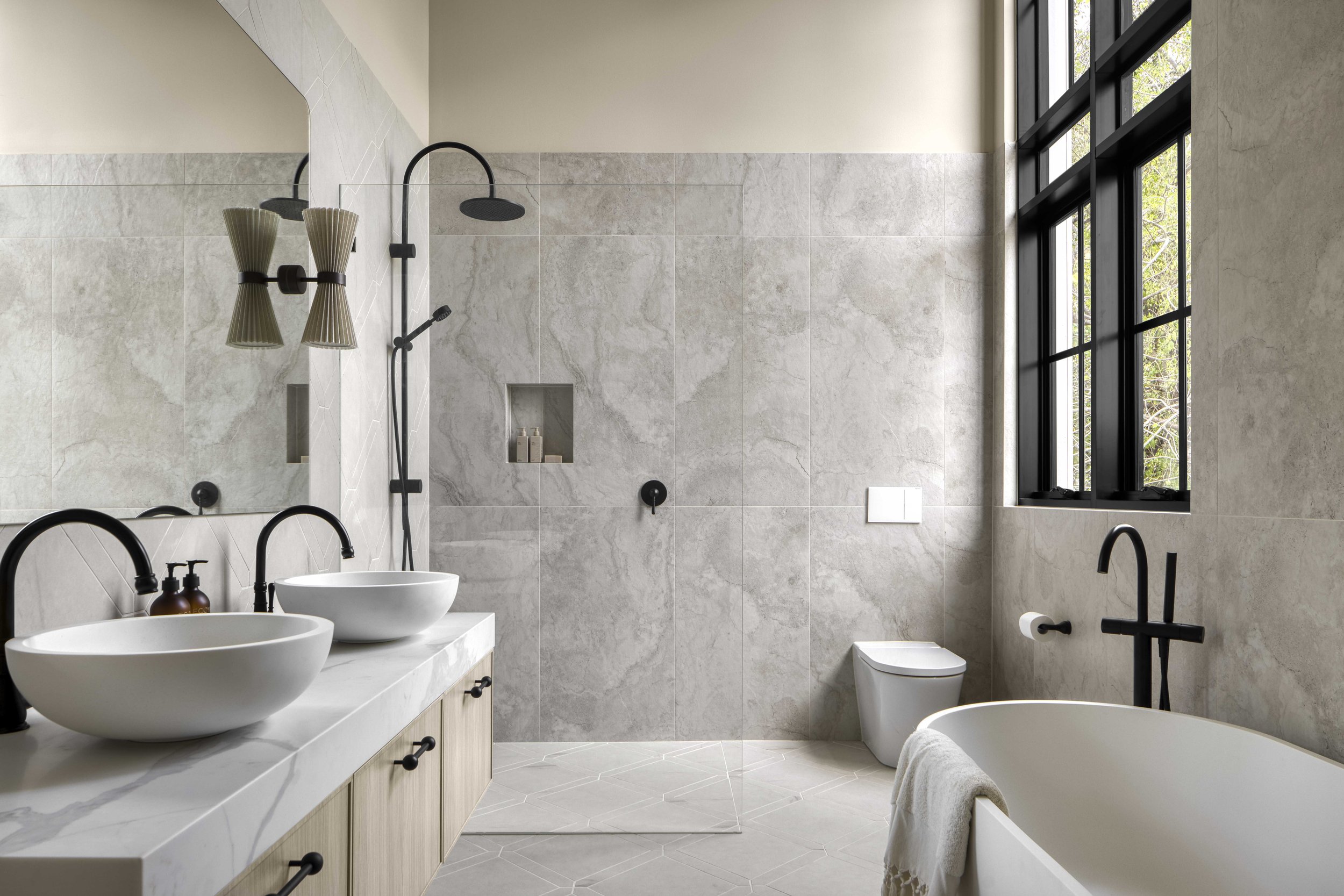
Bathroom Renovation Costs
Bathrooms need waterproofing, tiling, and plumbing, which make them costly to renovate.
Bathroom Type | Typical Cost Range |
|---|---|
Basic refresh (new fixtures, paint, tiles) | $7,000 – $15,000 |
Mid-range renovation (new layout, quality fittings, full tiling) | $15,000 – $25,000 |
Premium bathroom (designer fittings, custom features) | $25,000 – $40,000+ |
Hidden costs beginners miss: Waterproofing issues, unexpected plumbing repairs, and changes to the bathroom layout can add thousands to the bill. For example, moving the toilet or shower means relocating pipes and drains, which requires expert trades and may trigger permit requirements.
Another common oversight: Sometimes, old bathrooms have water damage hidden behind walls or under floors. Fixing these problems during renovation can add both time and expense.
Living Room, Bedroom, And Other Spaces
Renovating living rooms, bedrooms, and hallways is usually less expensive. Costs depend on the scope:
Painting: $3,000 – $7,000 per room. High ceilings or feature walls may cost more.
Flooring: $5,000 – $15,000 (for timber, carpet, or tiles). Premium materials like hardwood or polished concrete attract higher prices.
Built-in wardrobes: $2,000 – $7,000. Custom designs or mirrored doors cost extra.
If you’re knocking down walls or adding storage, expect higher costs. Sometimes, homeowners underestimate the price of new lighting, curtains, or insulation, which are part of a full room makeover.
Labour Vs Materials: Where The Money Goes
Renovation budgets split roughly between labour and materials. Here’s a look at how costs break down for a typical project:
Cost Component | Percentage of Total Cost |
|---|---|
Labour (builders, plumbers, electricians) | 40% – 60% |
Materials (tiles, appliances, cabinetry) | 30% – 50% |
Permits & compliance | 5% – 10% |
Contingency (unexpected costs) | 5% – 10% |
Labour rates in Australia can range from $50–$120 per hour for trades like carpentry, plumbing, or electrical work. City-based trades often charge more. Some premium builders and specialists may charge even higher rates, especially for designer projects or heritage homes.
Materials prices depend on your choices—tiles, stone, glass, and custom joinery cost more than standard fixtures. For example, imported tiles or bespoke light fittings can add thousands to your budget.
Another insight: If you’re doing works during peak periods (like before Christmas), demand can drive both labour and material costs up. Planning ahead and ordering early can help keep costs stable.
Structural Vs Cosmetic Renovations
It’s important to know the difference between structural and cosmetic renovations. Structural work involves changes to the building itself—moving walls, adding rooms, or changing the roof. Cosmetic work covers things like painting, new flooring, fixtures, and minor upgrades.
Structural renovations usually require:
Engineering reports (to check safety and compliance)
Building permits (from local council)
Special trades (like structural carpenters or steelworkers)
More time and higher costs
Cosmetic renovations are faster and cheaper. Many homeowners do some cosmetic work themselves to save money. Examples include painting, installing new tapware, or laying simple flooring.
A non-obvious point: Even small structural changes, like widening a doorway, can affect the home’s safety and require permits. Always check with your builder or council before starting.
Planning Your Renovation Budget
Before you start, set a clear budget. This helps you avoid overspending and keeps the project on track.
Steps to set your budget:
List your renovation goals—what do you want to change? Make sure you separate “must-haves” from “nice-to-haves.”
Research average costs for each room or project. Use recent quotes and data from similar homes in your area.
Get quotes from at least three licensed builders or trades. Compare not just price, but scope and timeline.
Allow for extra costs—about 10–15% for unexpected issues. This buffer helps cover surprises like hidden water damage or compliance requirements.
Factor in permits, compliance, and possible temporary accommodation. If you need to move out, add costs for rent or storage.
Beginner mistake: Not leaving enough buffer in your budget. Extra costs often come from hidden problems in older homes or changing your mind mid-project. For example, some homeowners change finishes after seeing samples, which can cause price jumps and delays.
Another detail: Don’t forget to budget for site clean-up and waste disposal. Renovations generate a lot of rubbish, and professional removal may be needed.
Renovation Timelines: How Long Does It Take?
Renovation timelines depend on the scope and complexity of your project. Here are typical timeframes:
Small cosmetic updates: 2–4 weeks. Painting, new carpets, and minor fixtures can be finished quickly.
Kitchen or bathroom renovation: 4–8 weeks. This includes demolition, plumbing, tiling, and installation.
Full house renovation: 3–8 months. Large jobs, especially those with structural changes, can take much longer.
Things that slow down renovations:
Waiting for council permits. Some councils take weeks to approve plans.
Delays in material delivery. Special order items or imports can be held up.
Changes to the original plan. If you decide to add features or change layouts, extra time is needed.
Weather (for outdoor or extension work). Rain or storms can delay construction.
Pro tip: Always ask your builder for a realistic timeline and check their previous projects for reliability. A detailed schedule helps manage your expectations and avoids stress.
Also, be aware that holidays and school breaks can affect availability of trades and suppliers. Planning your renovation outside peak periods can reduce delays.
Kitchen And Bathroom Upgrades: What Adds Cost?
Some upgrades can push your renovation budget higher. Here are common examples:
Stone benchtops: Durable and stylish, but pricey compared to laminate. Marble and granite are even more expensive than engineered stone.
Premium appliances: High-end brands can cost $5,000–$15,000 extra. Features like smart fridges or induction cooktops add cost.
Custom cabinetry: More expensive than standard units, adds a luxury feel. Custom shapes, colours, and storage options attract extra charges.
Full tiling: Floor-to-ceiling tiles are costly but waterproof and attractive. Special tile shapes or imported styles raise prices further.
Designer tapware: Imported or unique styles increase the budget. For example, brushed gold or matte black finishes are premium choices.
If you want luxury finishes, plan for higher labour costs too—specialists may be needed for installation. Some features, like steam showers or integrated lighting, require expert trades.
A non-obvious insight: Adding underfloor heating or smart home features is becoming popular, but many homeowners don’t realise these can add thousands to the budget.
Cost-saving Tips For Australian Renovators
There are smart ways to keep your renovation costs down without sacrificing quality:
Shop around for materials: Compare prices at different suppliers. Sometimes, local stores offer better deals than big chains.
Choose mid-range finishes: Avoid the cheapest or most expensive options. Mid-range products often balance quality and cost.
Reuse or repurpose: Keep some original features if they’re in good condition. For example, restoring old timber floors or using existing cabinetry saves money.
DIY where safe: Painting or simple tasks can be done by homeowners. Just be careful not to tackle electrical or plumbing without a license.
Plan ahead: Avoid last-minute changes—they cost more. Make decisions early and stick to your plan.
Non-obvious tip: Buying materials during sales or off-season can save up to 20% on costs. Also, consider “ex-display” appliances or fixtures, which are often heavily discounted.
Another smart tip: If you have friends or family with trade skills, ask for help on simple tasks. But always use professionals for jobs that need certification.
Permits, Compliance, And Hidden Costs
Every major renovation needs to comply with local council rules and Australian standards. Here’s what you need to know:
Permits: Most structural changes need council approval. Fees range from $1,000–$5,000 depending on the project. Some councils also charge for planning reviews or inspections.
Compliance: Electrical, plumbing, and waterproofing must meet Australian codes. Failure to comply can result in fines, unsafe work, or problems selling your home.
Hidden costs: Older homes may have asbestos, termites, or outdated wiring that needs fixing. These issues can only be found once demolition starts and may require specialist trades.
Beginner mistake: Starting work without checking permit requirements. This can lead to fines and delays. Always check your local council’s website or ask your builder for advice.
Another detail: Some renovations require energy efficiency upgrades, such as insulation or double glazing, to meet new compliance standards.
Credit: www.realhomes.com
Comparing Renovation Costs In Different Cities
Renovation prices are not the same everywhere in Australia. Here’s a quick comparison:
City | Average Renovation Cost per m² |
|---|---|
Sydney | $2,500 – $4,000 |
Melbourne | $2,200 – $3,800 |
Brisbane | $2,100 – $3,500 |
Adelaide | $1,800 – $3,300 |
Perth | $2,000 – $3,600 |
Regional Areas | $1,500 – $2,800 |
Sydney and Melbourne tend to be more expensive due to higher demand and labour costs. In smaller cities or regional areas, you may find trades are more available, and materials are less expensive. However, some regional areas may have fewer suppliers, which can limit your choices and lead to higher transport costs.
Budgeting For Unexpected Problems
Every renovation has surprises. It’s wise to set aside part of your budget for unexpected costs like:
Water damage or rot behind walls. For example, hidden leaks in bathrooms or kitchens often lead to expensive repairs.
Asbestos removal. Many homes built before the 1980s contain asbestos, which needs professional removal.
Pest infestations. Termites or rodents can damage timber or wiring and require specialist treatment.
Upgrading old wiring or plumbing. New regulations may mean you must upgrade to safer standards.
A good rule is to allow 10–15% extra beyond your main budget. This buffer helps cover emergencies and avoids stress if costs rise.
Non-obvious insight: Some insurance policies cover renovation-related risks. Ask your provider if you need extra cover during construction. For example, “renovator’s insurance” can protect you from theft or damage on site.
Also, consider budgeting for temporary accommodation if your home will be unliveable during works. Even short stays can add to your total cost.
How To Choose The Right Builder Or Tradesperson
Selecting the right professionals is crucial for a smooth renovation. Here’s how to do it:
Check credentials: Look for licensed builders and trades. Ask to see their license and insurance certificates.
Ask for references: Speak to past clients about quality and reliability. Check reviews online or visit completed projects if possible.
Get detailed quotes: Compare scope, timeline, and price. Make sure quotes list everything included—materials, labour, permits, and extras.
Review contracts: Make sure everything is in writing. This protects you from disputes and ensures both parties understand what’s expected.
Common mistake: Choosing the lowest quote without checking quality. Cheap jobs may cost more in repairs later. It’s better to pay a fair price for skilled, reliable trades.
Another detail: Ask your builder about their team—do they use regular staff or subcontractors? Knowing who will be on site helps avoid confusion.
Renovating For Property Value: What Pays Off?
Many homeowners renovate to increase their property’s value. Some renovations give a better return than others:
Kitchen upgrades: Usually add the most value. Buyers love modern kitchens with practical layouts and quality appliances.
Bathroom renovations: Appeal to buyers and renters. Features like walk-in showers or double vanities are especially popular.
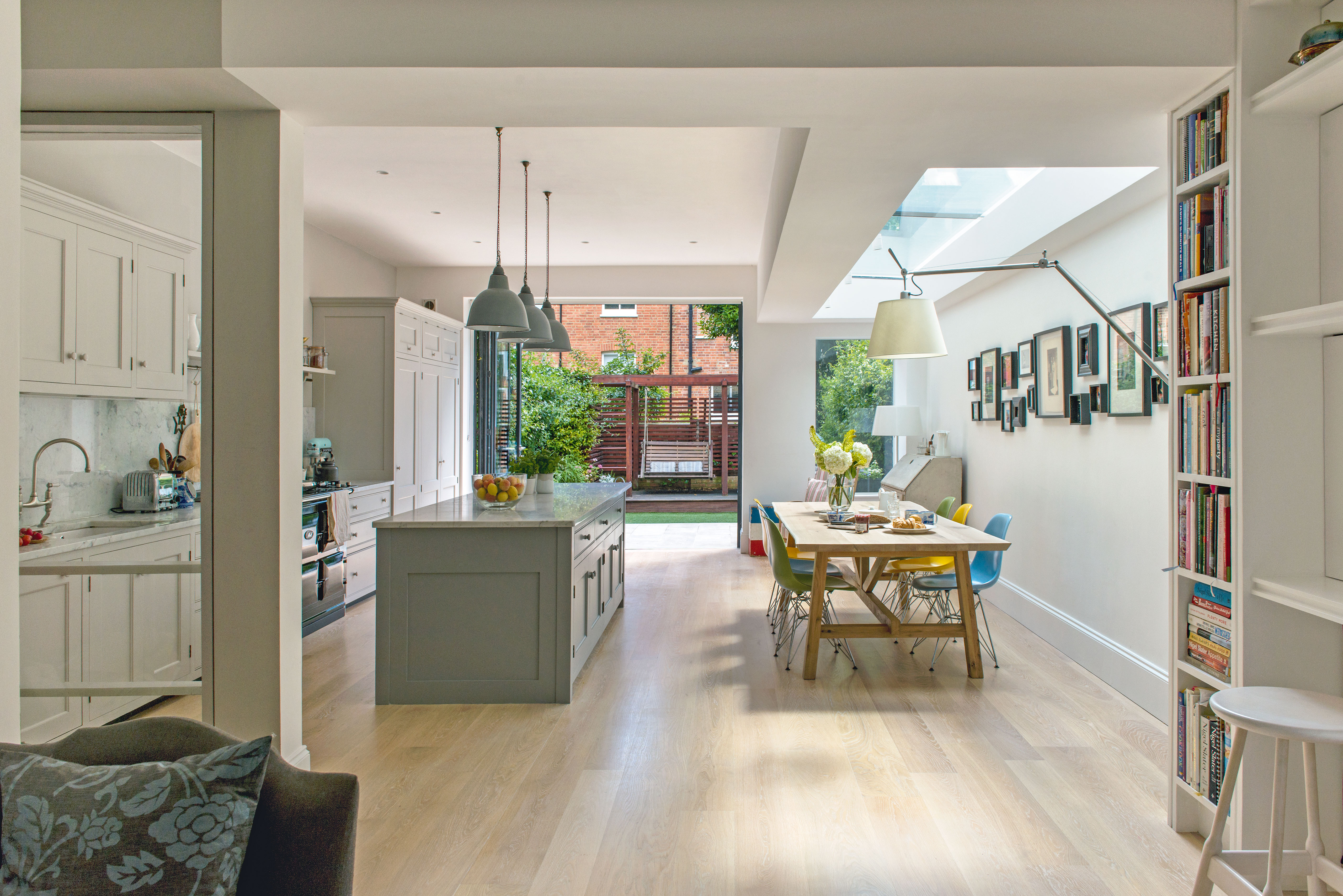
Open-plan living spaces: Modernise older homes. Removing walls to create bigger, brighter areas can attract higher sale prices.
Outdoor areas: Decks, patios, and landscaping improve lifestyle and value. Even simple upgrades like new fencing or garden beds can make a difference.
Expert tip: Avoid overcapitalising—spending more than your house is worth. Check local property values before you invest heavily. Research recent sales in your suburb and speak to real estate agents for advice.
A non-obvious insight: Sometimes, smaller upgrades like smart lighting or energy-efficient appliances are more appealing to buyers than expensive designer finishes.
Real-life Example: Mid-range Renovation Case Study
To give you a clearer picture, here’s an example of a mid-range renovation in Melbourne for a typical three-bedroom home.
Scope:
New kitchen and bathroom
Painting throughout
Timber flooring in living areas
Built-in wardrobes in bedrooms
Minor structural changes (removing a wall)
Total cost: $120,000
Breakdown:
Kitchen: $28,000
Bathroom: $18,000
Painting: $6,000
Flooring: $14,000
Wardrobes: $6,000
Structural work: $18,000
Permits & compliance: $5,000
Contingency: $8,000
Labour: $37,000 (across all trades)
Timeline: 10 weeks
The homeowners saved money by choosing mid-range finishes and doing some painting themselves. They avoided delays by planning ahead and ordering materials early. By keeping their structural changes minimal, they also reduced permit fees and engineering costs.
Financing Your Renovation
Renovating a house often needs more funds than savings alone. Common options include:
Home equity loans: Borrow against your property. These loans usually have lower interest rates and are suitable for larger projects.
Renovation loans: Special loans for construction projects. Some banks offer fixed-term loans with staged payments.
Personal loans: For smaller renovations. These are faster to arrange but often have higher rates.
Redraw facilities: Use extra repayments from your mortgage. This is a flexible option if you have made additional payments.
Tip: Talk to your lender about loan options and compare interest rates. Some banks may offer special deals for renovations, or allow you to bundle costs with your mortgage.
A non-obvious insight: If you plan to sell soon after renovating, check if your loan has early repayment fees.
Sustainable Renovations: Cost Vs Benefits
Green renovations are becoming more popular in Australia. Eco-friendly upgrades can save money in the long run:
Solar panels: $5,000 – $15,000, reduce energy bills. Over time, lower power costs can offset the upfront spend.
Double glazing: $8,000 – $20,000, improve insulation. This upgrade also reduces noise and boosts comfort.
LED lighting: $1,000 – $3,000, lower power use. LEDs last longer and cut energy bills.
Some upgrades may qualify for government rebates. Check official sites for current offers. For example, the Clean Energy Regulator lists current programs for solar and efficiency upgrades.
Another detail: Water-saving fittings and rainwater tanks are affordable upgrades that can help reduce bills and attract buyers.
Renovation Insurance And Safety
If you’re doing major work, consider renovation insurance. It protects you from accidents, damage, and theft during construction.
Builders warranty insurance: Covers defects for several years. In some states, this is required for jobs over a certain value.
Public liability insurance: Protects against accidents on site. If someone is injured, this insurance covers your costs.
Safety tip: Always use licensed trades for electrical and plumbing—DIY can be dangerous and illegal. Even small jobs can cause big problems if done incorrectly.
A non-obvious insight: If your renovation affects fire safety (like removing smoke alarms), you must upgrade to comply with current standards.
Renovation Pitfalls: Avoid These Costly Mistakes
Even experienced renovators can get caught by common mistakes:
Underestimating costs: Prices can rise quickly if you change plans. Always keep your budget flexible.
Skipping permits: Risk fines and delays. Permits protect you and your investment.
Hiring unlicensed trades: Poor work may void insurance and warranties. Always check credentials.
Ignoring hidden problems: Damp, pests, or asbestos can blow your budget. Inspect thoroughly before starting.
Expert advice: Plan carefully, check everything twice, and get professional guidance where needed. Spending time on planning saves money and stress later.
How To Get Accurate Quotes For Your Project
Getting quotes is a key step in planning your renovation. Here’s how to do it:
Write a detailed scope of work—list everything you want done. Be specific about materials, finishes, and layouts.
Ask for itemised quotes from several builders or trades. Itemised quotes help you compare and spot areas where costs may be hidden.
Compare not just price, but quality, timeline, and reputation. Sometimes, a slightly higher quote means better workmanship or faster completion.
Ask about extras and hidden costs—what’s not included? For example, site clean-up, rubbish removal, or minor repairs.
Check if quotes include GST and materials. Some quotes may only cover labour, so double-check before signing.
Non-obvious insight: Some builders offer “fixed price contracts” to protect you from cost blowouts. These contracts lock in your price and reduce risk, but make sure you understand what changes could trigger extra costs.
Also, read the contract carefully—check for penalties if you delay decisions or change plans.
Renovation Checklist: Steps For Success
To help you stay organised, follow this checklist:
Set clear goals for your renovation
Research costs and set your budget
Get council permits if needed
Hire licensed trades or builders
Finalise plans and timeline
Order materials early
Prepare your home (move furniture, protect valuables)
Monitor progress and communicate with trades
Handle issues quickly to avoid delays
Inspect work before final payment
Following these steps reduces stress and helps your project finish on time and on budget. Keep a diary or spreadsheet to track progress and costs.
Frequently Asked Questions
How Much Does It Cost To Renovate A House In Australia?
Costs vary depending on the scope, location, and quality. For a full house renovation, expect $150,000 – $350,000+ for standard finishes, and $350,000 – $800,000+ for luxury work. Smaller cosmetic projects can start from $20,000.
What Is The Most Expensive Room To Renovate?
The kitchen is usually the most expensive, followed by the bathroom. Both need specialist trades, appliances, and compliance with plumbing and electrical codes.
Do I Need Council Permits For Home Renovations?
You need permits for structural changes, extensions, or major plumbing/electrical work. Cosmetic upgrades like painting or flooring usually don’t require permits. Check your local council’s website for details or visit Australian Building Codes Board.
How Can I Save Money On My Renovation?
Shop around for materials, choose mid-range finishes, reuse existing features, and do simple tasks yourself. Always plan ahead and avoid last-minute changes.
What Are Hidden Costs I Should Watch Out For?
Common hidden costs include asbestos removal, pest damage, outdated wiring, extra compliance requirements, and unexpected structural problems. Always leave extra budget for surprises.
Renovating your home is a big investment, but with careful planning and the right advice, you can achieve the result you want. Remember to research, budget, and use trusted professionals—your new space will be worth it.